8th Festival of Engaged
Ethnographic Film

Between Documentation and Invention: Film as a Social Practice

13–15 November 2026
Gallery “Zastava je pala na nas”

Introduction

Dear friends of film, and of engaged, documentary and ethnographic cinema,

We are pleased to announce the eighth edition of the Vizantrop Festival, which, for eight years now, has sought to keep its flame alive. This year the festival returns to the heart of Belgrade, to the gallery “Zastava je pala na nas.”

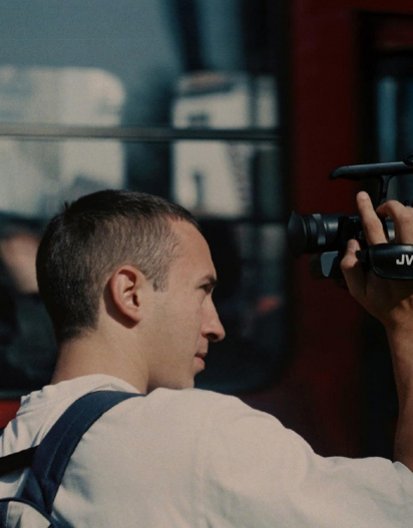
Our guiding vision is to equip young people each year with anthropological methods and to encourage them to apply these in interdisciplinary and socially engaged practice. In that spirit, we are organizing the second photography workshop, led by Nemanja Podraščić in collaboration with Dokumentovano. Our aim is to treat the camera not merely as a recording device but as a tool of ethnographic inquiry: a means of observation, relationship-building and critical reflection on everyday life.

New this year is the Student Audience Award within the student programme. Through it we hope to draw students into the practice of film reviewing and to cultivate a critical, reflexive way of viewing, one that treats film as a social document and not only as an aesthetic object.

This year, like the last, has been a challenging one, not only for the festival’s organizers but also for our colleagues: anthropologists, ethnomusicologists, cultural workers and many other scholars who have been left without vital funding. Once again, the festival has not received support from the Ministry of Culture, nor have many other members of the NKSS group, which has for years drawn attention to systemic problems in the functioning of our cultural institutions. Yet the struggle does not cease. As an independent festival, we remain committed to supporting emerging authors, highlighting socially significant themes, and sharing contemporary methods with students who wish to work with film.

Finally, our audience is a co-author of this festival. You decide what matters this year, and you are always welcome to write to us at festivalvizantrop@gmail.com, whether you would like to see a particular film on the programme or you are a filmmaker yourself.

Your messages matter to us.

About the festival

Vizantrop is an independent festival of engaged ethnographic film that brings together audiovisual works by local and international filmmakers. Through film screenings, the festival explores cultural and social issues, presenting different perspectives on communities, identities and contemporary realities.

The festival provides a space for dialogue between filmmakers and audiences, encouraging the recognition and acceptance of cultural diversity.

Our mission

To encourage research-based and creative approaches to engaged anthropological filmmaking, educate audiences about cultural diversity and promote the understanding and preservation of local cultural traditions and heritage.

Jury and selectors

Jury

Petar Veljačić

Petar Veljačić after completing his studies in ethnology and anthropology at the Faculty of Philosophy and the School of Documentary Film of the Academic Film Center in Belgrade in 2007, he was engaged in various video productions and projects for working with young people. In 2013 he obtained a master’s degree in audiovisual arts (master’s program in film directing at the University of Sint-Lucas in Brussels, Faculty of Art and Design), and in 2017 he completed postgraduate research in sound at the University of Ghent and Goldsmiths University in London (EPAS – European Postgraduate in Arts in Sound). After graduating, he actively works in the fields of film and video production and media education. He held workshops and trainings in Serbia, Greece, Lithuania, Belgium, Haiti, Guyana.
Jury

Iva Nenić

Iva Nenić teaches at the Department of Ethnomusicology, Faculty of Music, University of Arts in Belgrade. She received MPhil in Theory of Arts and Media (2009), and PhD in Ethnomusicology (2015) with a dissertation on women’s performance of traditionally male folk instruments in Serbia, coupled with the attendance of the advanced undergraduate one-year programs at the Belgrade Open School and the Women’s Studies Center in Belgrade. Her research spans theory of ideology and identification, gender regimes, transgenerational memory, and the sustainability of cultural and artistic scenes in late capitalism. In ethnomusicology, she focuses on the Serbian and Balkan world music/ethno scenes, alternative/independent culture, cultural revival, and women’s roles in music.
Selector

Relja Pekić

Relja Pekić holds a Master’s degree in Ethnology and Anthropology and is based in Belgrade. His research interests lie in the fields of visual anthropology, the anthropology of sport and tourism, and engaged anthropology. In 2018, he became the director of the Centre for Visual Anthropology (VAC) and a member of the “Vizantrop” collective. Relja is a member of the selection committee and director of the “Vizantrop” Festival of Engaged Ethnographic Film, held in 2019 and 2020 at the “Stari Grad” Cultural Institution in Belgrade. He has also been elected president of the student jury twice at the International Festival of Ethnological Film in Belgrade. He is the author of six short ethnographic films, and his film “Crossroads of Cultures” received the Audience Award at the first SEF Festival in Zadar.
Selector

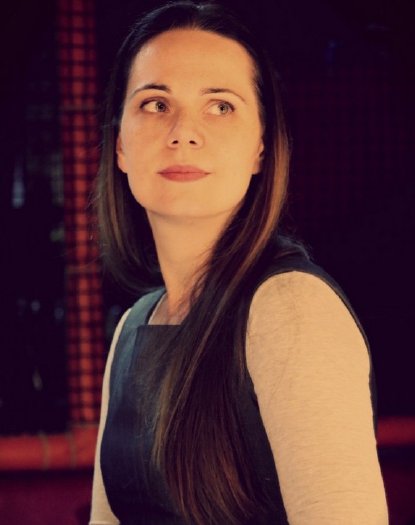
Anđela Đurić

Anđela Đurić was born on August 20, in Belgrade, in 1997. She spent her childhood in South Africa, where, from an early age, she was “among others, yet among her own.” She has accumulated more years of formal education than years of life. She completed her undergraduate studies in Journalism at the Communication University of China (CUC) in Beijing, and went on to earn a Master’s degree in Cultural Anthropology at Eötvös Loránd University in Budapest. She has worked as a journalist and translator. Since autumn 2024, when she enrolled in a second Master’s programme at the Faculty of Media and Communications (FMK) in Belgrade, she has been engaged with the student movement, both as a student and as a researcher. Alongside visual anthropology, her interests also include the anthropology of ritual.

Programme schedule

Friday
13 November

​

17:00–19:30 Photo exhibition – Workshop Dokumentovano
19:30 Opening ceremony: festival trailer

​

Block I20:00–22:00
Back to Fukushima› 80 minQ&A 10 min
🎉 BAJNO AFTER HOURS FILMOŽUR: 23:00–02:00
Saturday
14 November

​

Block II16:00–17:30
MIAO› 12 min

​

Block III19:00–23:00
Barrio Uno› 17 minLive Q&A 15 min
A Letter to Chinatown› 47 minQ&A 10 min
🎉 DJ BOYA AFTER HOURS: 23:00–02:00
Sunday
15 November

​

Block IV16:00–17:00

​

Student category17:00–18:15

​

Special programme #318:30–19:30

​

Block V19:50–21:10

​

21:30–23:00
🏆 Announcement of the winner and screening of the film
🎉 NIKONJ VIZANTROPWAVE: 23:00–02:00

Official selection

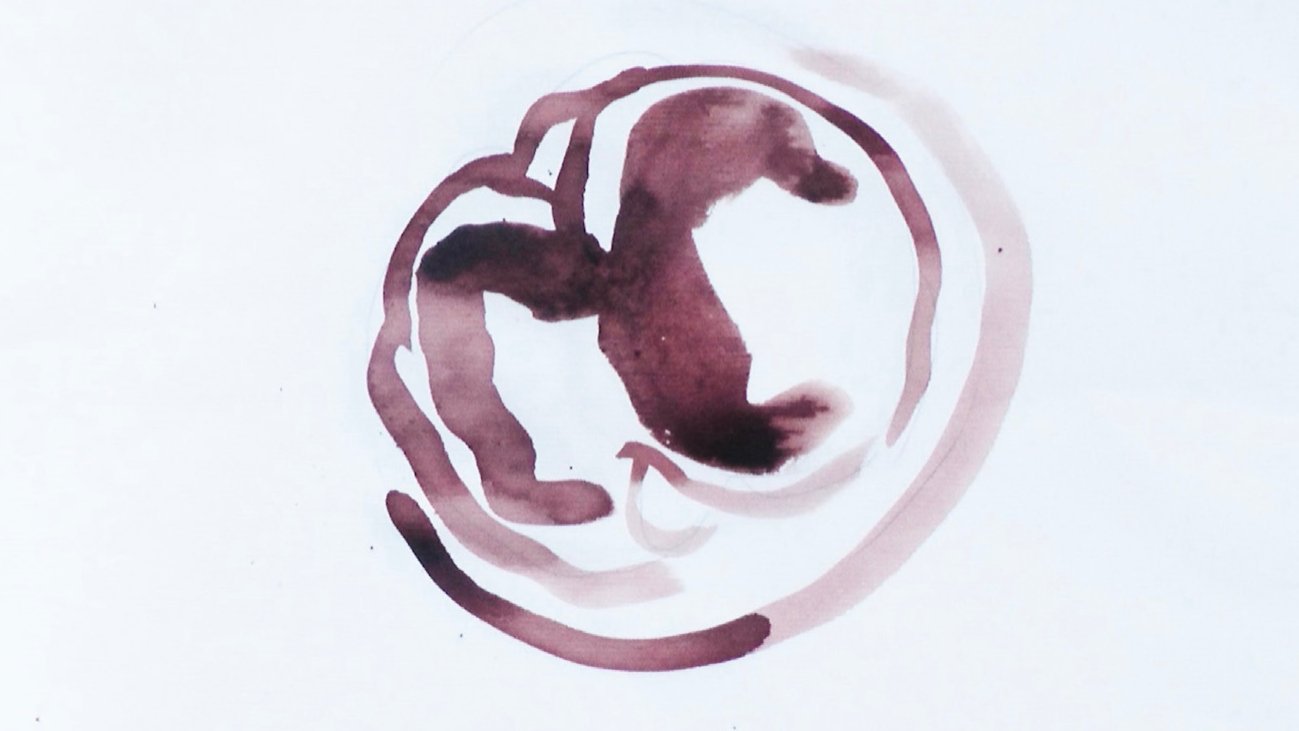
The Silence of Pomegranates

Original title: Il Silenzio dei Melograni
Running time: 9 min
Year: 2005.
Country: Italy, France
Director: Clara Baj

Screening: Friday 13 Nov 2026, Block I (20:00–22:00)

Synopsis: In a coastal town in Calabria, Southern Italy, a woman who prefers to remain anonymous breaks the silence surrounding the issue of abortion in the region. Denouncing the abuses of medical institutions through a poetic and experimental lens, IL SILENZIO DEI MELOGRANI is a creative short documentary that attempts to shed light on the privileges and inequalities women face in accessing their own reproductive rights.

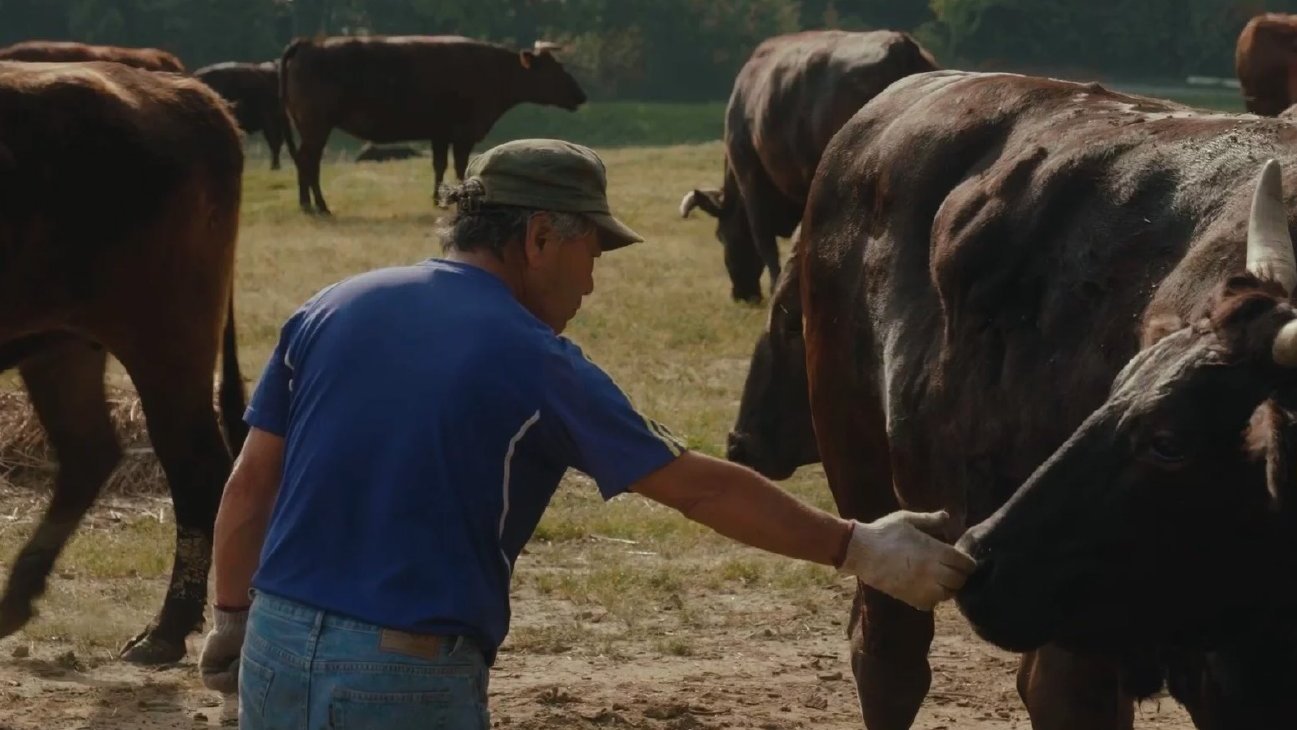
Back to Fukushima

Original title: Retour à Fukushima
Running time: 80 min
Year: 2026.
Country: Belgium, Japan
Director: Thomas Licata

Screening: Friday 13 Nov 2026, Block I (20:00–22:00)

Synopsis: For several years now, the Japanese government has been building complexes called ‘renewal housing estates’ in the heart of Fukushima Prefecture. More than a decade after the accident, this type of concrete neighbourhood is appearing in the still highly contaminated region, surrounded by wild and radioactive nature. This film provides an intimate portrait of the inhabitants of these places and gives a poetic reflection on the region.

Labore Nobile

Original title: Labore Nobile
Running time: 76 min
Year: 2026.
Country: Belgium, France
Director: Juliette Archard

Screening: Saturday 14 Nov 2026, Block II (16:00–17:30)

Synopsis: In Saint-Nazaire, in western France at the mouth of the Loire estuary, heavy industry shapes the landscape. As everywhere, work sets the rhythm and structures the lives of its inhabitants. “But if you think about it, it’s slightly odd, what’s going on…” And if you think about it – what exactly is a work-based society?

MIAO

Original title: MIAO
Running time: 12 min
Year: 2025.
Country: Portugal
Director: Claudio Carbone

Screening: Saturday 14 Nov 2026, Block II (16:00–17:30)

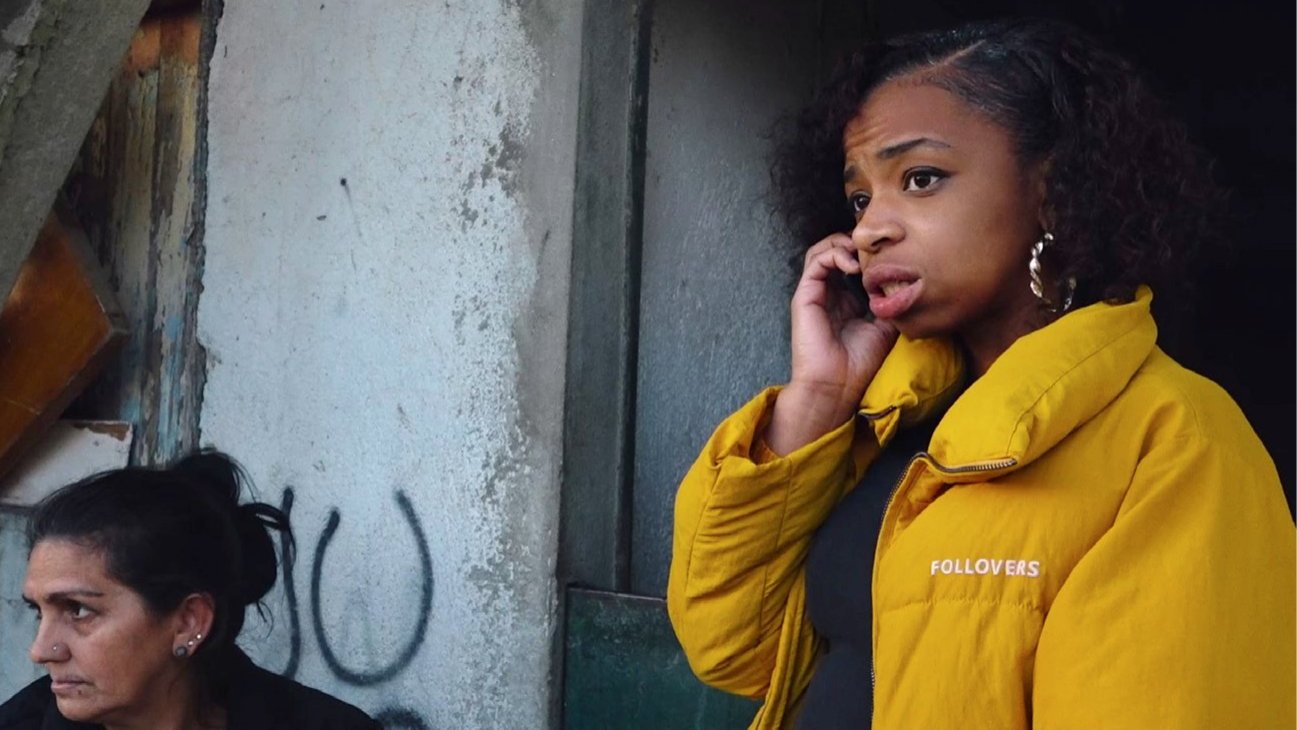
Synopsis: Catia, one of the last residents of the self-built neighbourhood 6 de Maio in Lisbon, fights to keep her home as the community faces evictions and demolitions. Through her perspective, the documentary unveils stories of resistance, neighbourly bonds, and conflicts with institutions in a context of uncertainty and change.

Moya: The Name We Call

Original title: Moya: The Name We Call
Running time: 23 min
Year: 2025.
Country: Bangladesh
Director: Mahfuz Sarker

Screening: Saturday 14 Nov 2026, Block II (16:00–17:30)

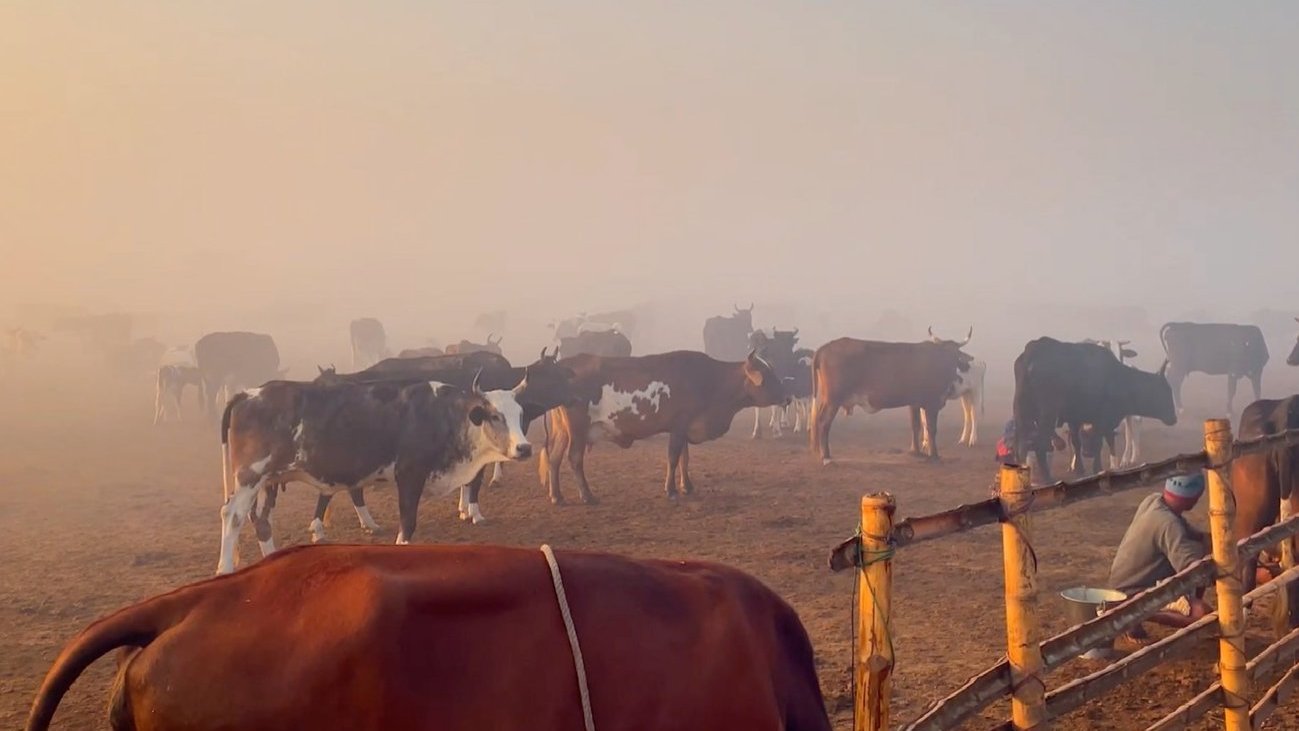
Synopsis: The Bathan lands of northern Bangladesh are vast riverine grasslands inhabited seasonally by herders and their cattle. Submerged during the rainy months and reborn in the dry season, these isolated spaces in Sirajganj become temporary homes far from human settlements. The Name We Call follows the sonic world of these herders, where relationships are built through voice, sound, and attentive listening. Each cow is individually named and responds when called, revealing deep bonds that coexist with economic realities. When a cow stops producing milk, love meets loss. Through intimate interviews and quiet observation, the film uncovers a hidden soundscape of companionship and separation. The film is closely connected to nature and wildlife because it is set entirely within the Bathan grasslands, a seasonal riverine ecosystem where herders live in direct relationship with their cattle. By focusing on the sonic interactions between humans, animals, and the shifting landscape, the film reveals how natural cycles, animal behaviour, and human emotion are deeply intertwined.

Barrio Uno

Original title: Barrio Uno
Running time: 17 min
Year: 2023.
Country: Argentina
Director: Camila Lopez & Olivia Nuzz

Screening: Saturday 14 Nov 2026, Block III (19:00–23:00)

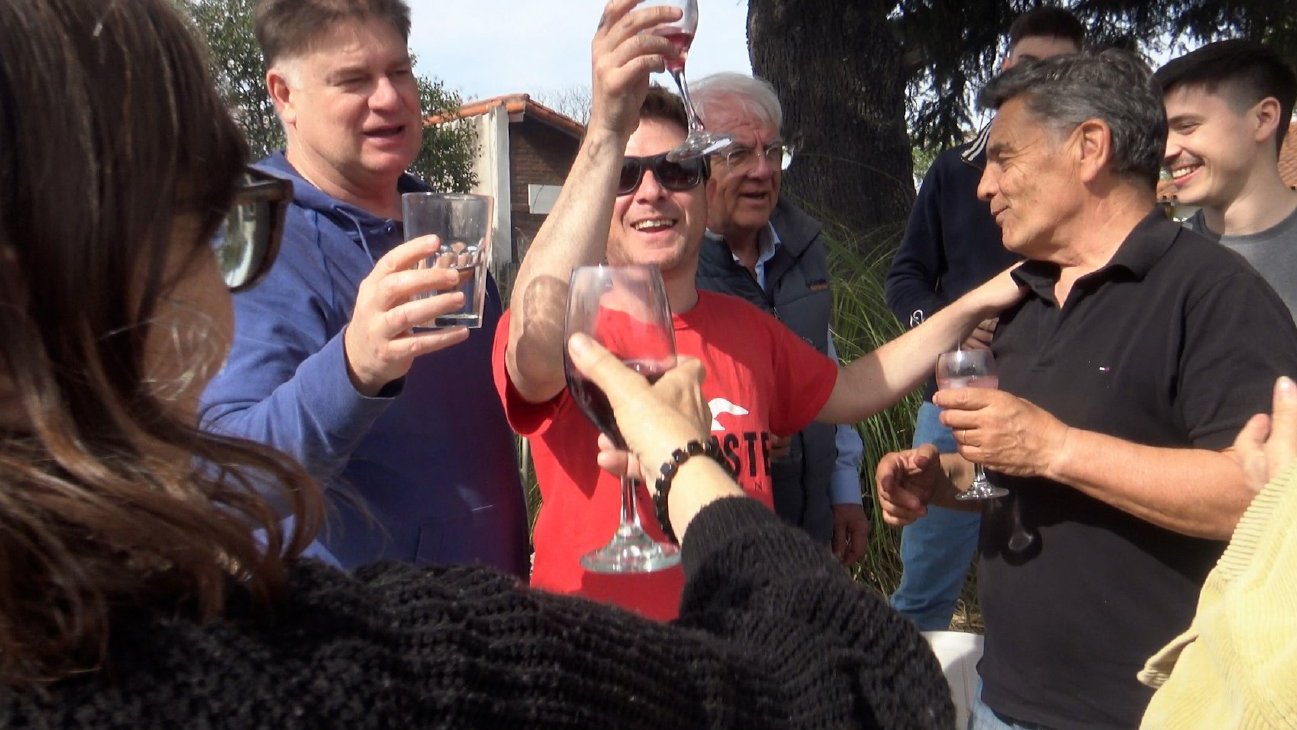
Synopsis: Camila decides to return to the neighborhood of her entire life: El Barrio Justicialista N°1, built in the 50s by the first Peronist government. Between the stories of her neighbors and her own relatives, she seeks to understand what ideas live in the neighborhood now, and what remains of that dream of a possible country.

A Letter to Chinatown

Original title: A Letter to Chinatown
Running time: 47 min
Year: 2025.
Country: UK, Hong Kong
Director: Alexandra D’Onofrio & Elena Barabantseva

Screening: Saturday 14 Nov 2026, Block III (19:00–23:00)

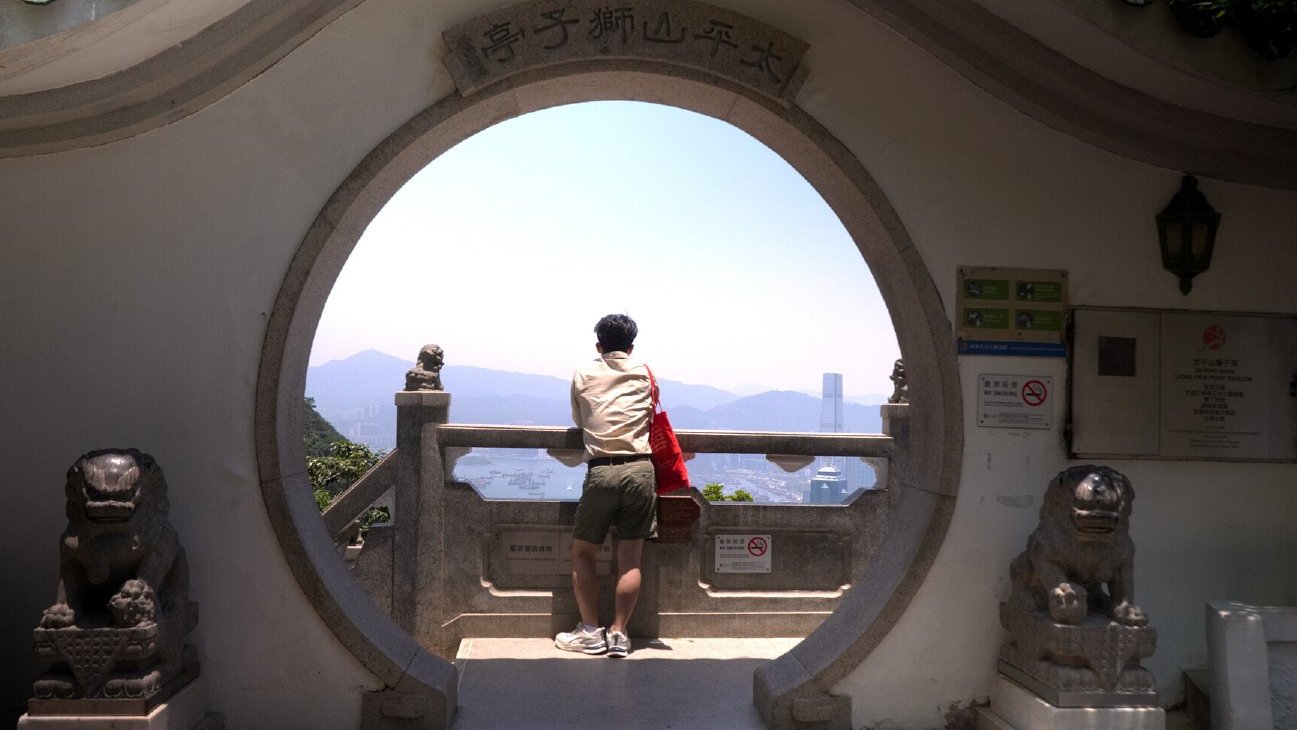
Synopsis: A documentary film project recorded over 10 years in Manchester, Oxford, London and Hong Kong. A 21st century coming of age story, we meet Daniel He a decade on from ‘British Born Chinese’ (2015), no longer living in his family takeaway, but preparing to graduate from Oxford University. Within a matter of weeks, life rapidly propels him from train to train, city to city and headlong into adulthood. ‘A Letter to Chinatown’ is a poetic, philosophical and emotional journey across time and place, in search of self and belonging.

In Their Own World

Original title: Dans leur monde
Running time: 65 min
Year: 2025.
Country: Belgium
Director: Isabelle Rey

Screening: Saturday 14 Nov 2026, Block III (19:00–23:00)

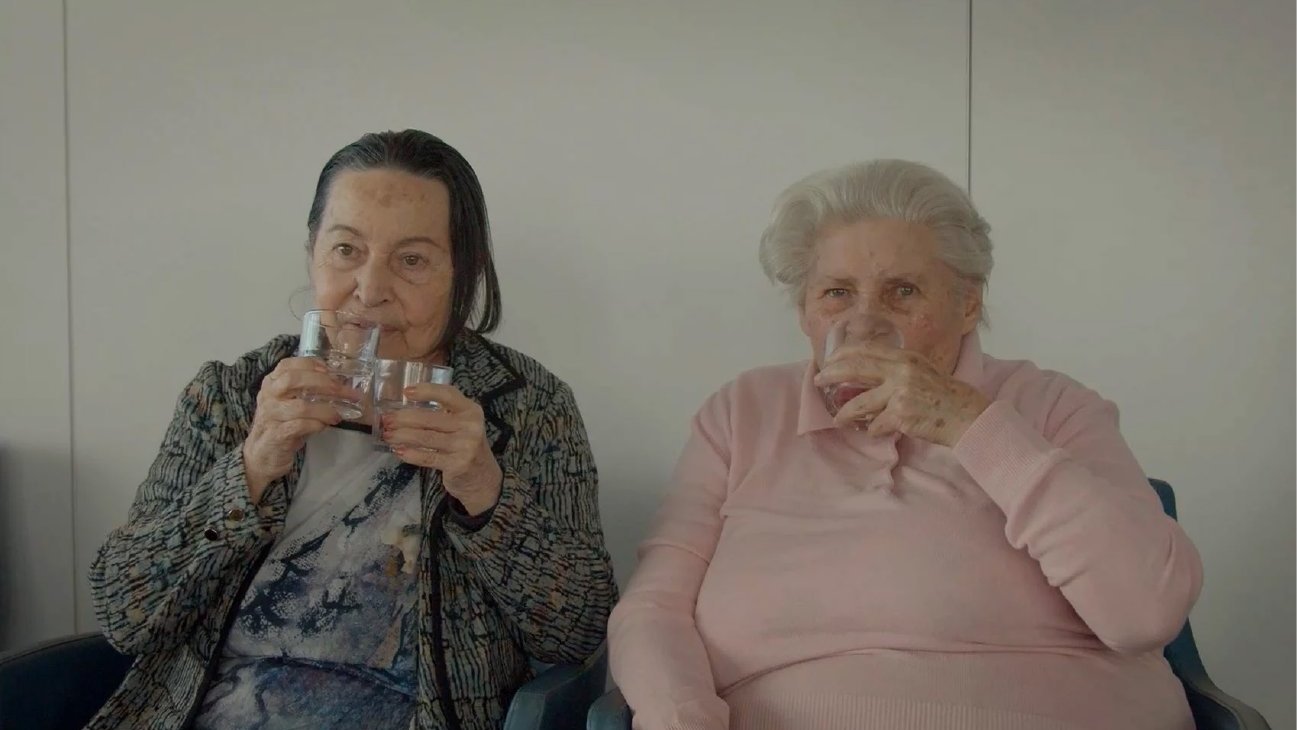
Synopsis: Where does the mind go when it seems to disappear from our world? What kind of reality do people affected by Alzheimer’s live in? At Maison Vésale, everything is organised around what stays alive rather than what disappears. The team provides care with respect and attention, and allows people to be themselves, with dignity. Their practice shifts the way we look at the end of life and opens up new possibilities. By their side, ‘In Their Own World’ goes beyond the diagnosis of illness to listen and look in depth. Being with them, as close as possible to the people affected, to understand them better.

Prelude (non destructive testings)

Original title: Prelude (non destructive testings)
Running time: 15 min
Year: 2024.
Country: Colombia
Director: Nicolás Andrés Corral Sánchez

Screening: Sunday 15 Nov 2026, Block IV (16:00–17:00)

Synopsis: How a construction evolves? how to build with images and sounds? how is a voice shaped? Construere proposes a gaze towards the work diaries of a film in process about the construction of the Museum of Memory of Colombia, unveiling the reflections, questions and contradictions that appear along the way.

On a Knife’s Edge

Original title: No Fio da Navalha
Running time: 18 min
Year: 2026.
Country: Portugal
Director: Gonçalo Mota

Screening: Sunday 15 Nov 2026, Block IV (16:00–17:00)

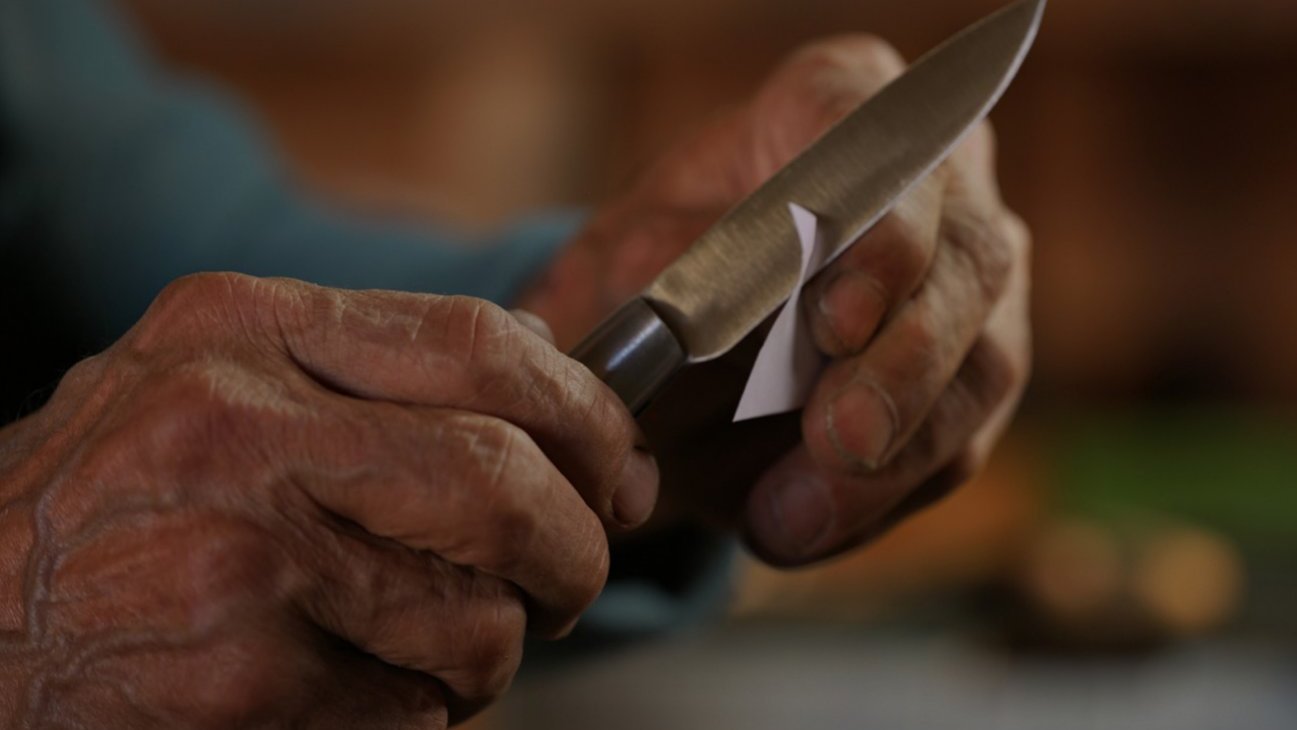
Synopsis: In Palaçoulo, a village on the Mirandese Plateau (Portugal) known for its cutlery, steel is worked in two distinct ways. In the factory, the anonymous gesture is repeated hundreds of times a day. In Eliseu’s workshop, each knife deserves individual attention. Eliseu Fernandes learnt the trade at the age of thirteen, emigrated to Germany where he worked as a fine watchmaker, and returned to the village of his birth to devote himself to the artisanal manufacture of knives. In On a Knife’s Edge, we follow Eliseu Fernandes in his workshop and put his craft in dialogue with the production of the factories in the same locality, heirs to the same knowledge, but driven by market logic. By placing the artisanal workshop and the Fordist assembly line side by side, the film explores the tension between ancestral knowledge and industrial production, questioning the place of artisanal identity in a globalised market.

Sugarhouse

Original title: Sugarhouse
Running time: 29 min
Year: 2025.
Country: USA
Director: Jesse Kreitzer

Screening: Sunday 15 Nov 2026, Block IV (16:00–17:00)

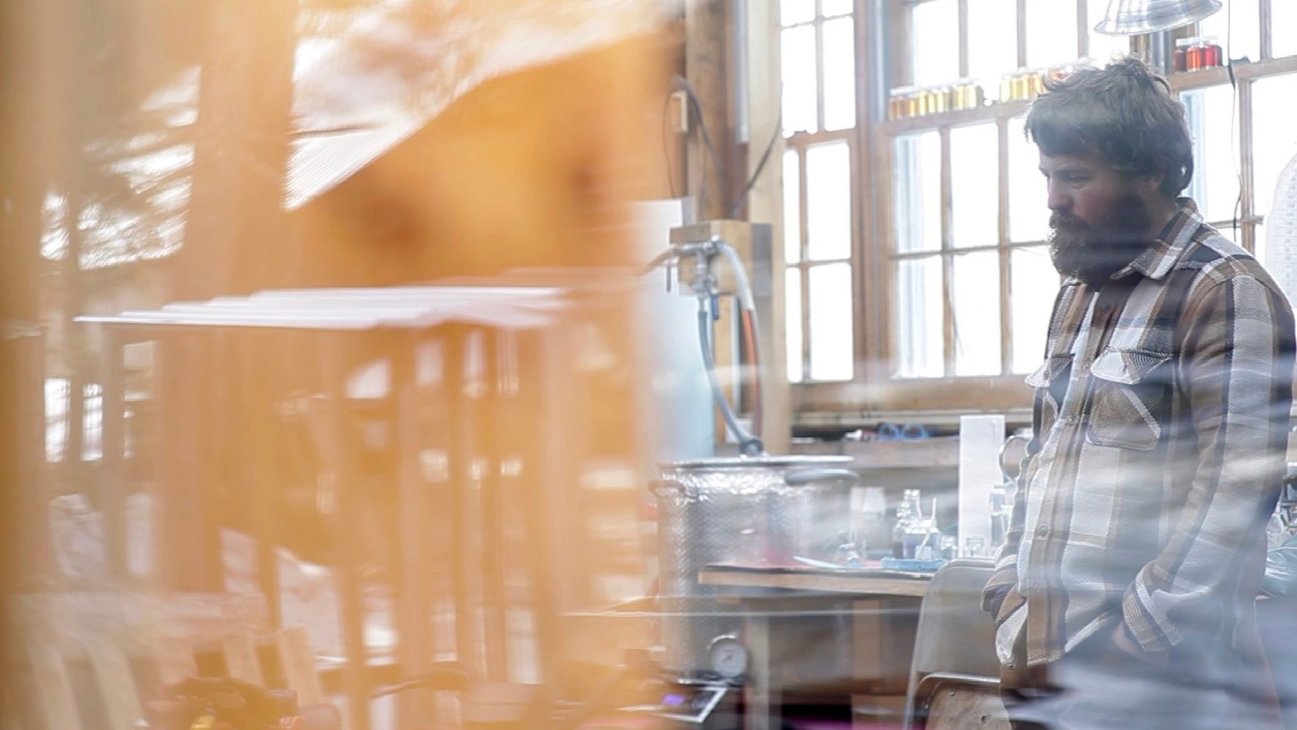
Synopsis: In rural Vermont, aging sugarmakers carry forward a centuries-old tradition in this intimate meditation on family legacy, loss, and resilience. Through seven distinct portraits, the film explores lives shaped by land, labor, and customs passed from one generation to the next. Together, their stories form a rich tapestry about how we spend our time on this earth, what we inherit, and what we leave behind.

Barrunto

Original title: BARRUNTO
Running time: 70 min
Year: 2024.
Country: Scotland, Puerto Rico
Director: Emilia Beatriz

Screening: Sunday 15 Nov 2026, Block V (19:50–21:10)

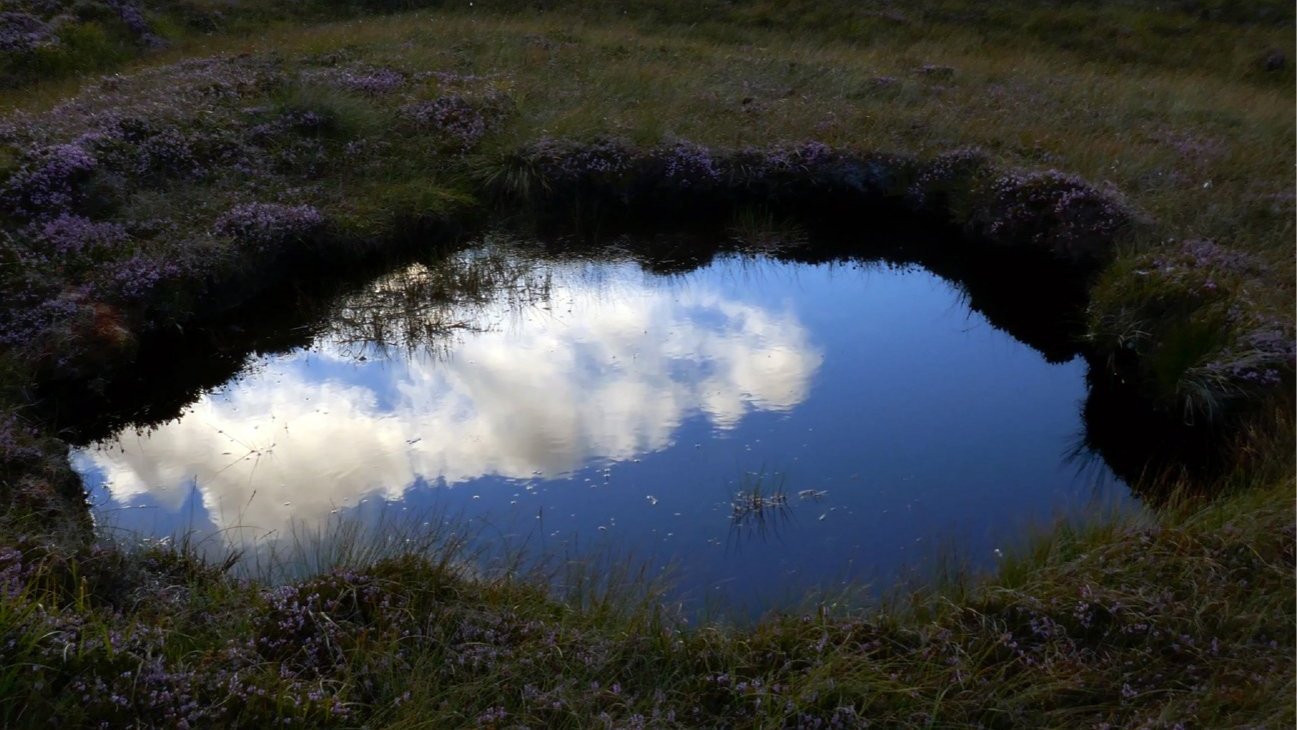
Synopsis: “Barrunto” is a Puerto Rican word for bodily unrest, an omen or forecast sensed through environmental signals, such as aches before rain or ants before an earthquake. It is a way of thinking with the surface and subconscious, the underfoot and underground. Through deep vibrations and nonlinear narrative, BARRUNTO evokes sensations and ways of being beyond Western frameworks of knowledge, a sensorial translation meant to be felt rather than understood. Informed by poetry and theories of quantum entanglement across diasporic distance, BARRUNTO combines digital, archival and hand-processed 16mm film in “grief tea,” exploring grief and resistance from the streets to the bed, across displacement, nuclear contamination and military occupation, from Scotland to Puerto Rico, the ocean floor to Uranus. The film examines the unseen ties between Scotland and Puerto Rico, colonialism’s impact, and the links between liberation struggles and ecological questions.

Student selection

🗳️ New this year: the Student Audience Award. After the student block, the audience votes for the best film of the student selection.

Dry Wood

Original title: Ξερό Κλαρί
Running time: 17 min
Year: 2026.
Country: Greece
Director: Odysseas Kotsinis

Screening: Sunday 15 Nov 2026, Student category (17:00–18:15)

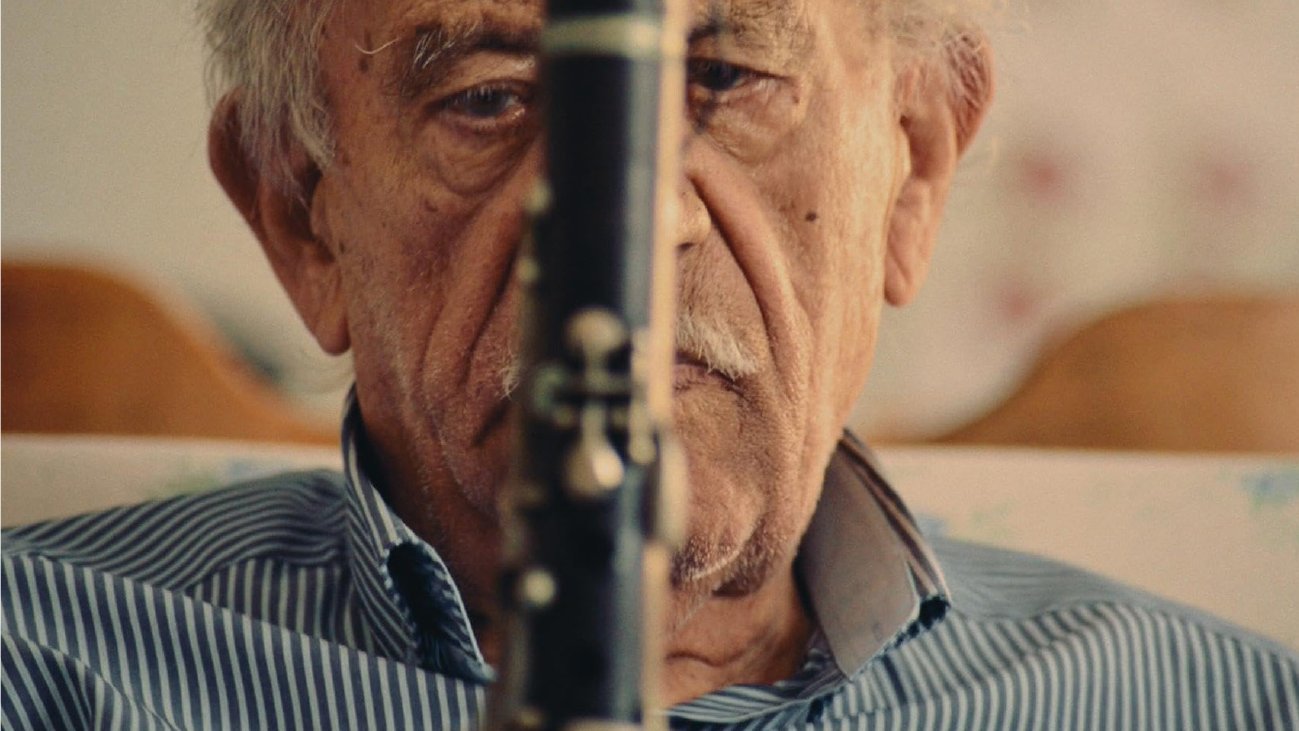
Synopsis: 96-year-old clarinet master Grigoris Kapsalis, the last living musician of a generation that shaped the music of Epirus, has long been an integral part of the local village feast. In this final encounter at his home, he offers glimpses into a lifetime devoted to music; meanwhile, preparations for the annual feast begin in the village square.

Too Much Water

Original title: Água Demais
Running time: 9 min
Year: 2025.
Country: Brazil
Director: Samira Petry, João Lucas Goulart, Kerolen Kingeski, Gabriel Barata & Giovanna Schneider

Screening: Sunday 15 Nov 2026, Student category (17:00–18:15)

Synopsis: In Porto Alegre, the floods of May 2024 did not only wash away objects, they stained memories and marked lives. This short documentary emerges from the gesture of trying to clean what the water has soiled. Created by Social Sciences students from the Federal University of Rio Grande do Sul, the film is built less through words and more through sounds, gestures, and silences. It is a sensory experience that follows the process of recovering images from personal archives, the photographs submerged during the floods. Between an overflowing bucket and the noise of dry air, the short film explores the poetry that exists within absence.

Going On While Waiting

Original title: Sigo enquanto espero
Running time: 15 min
Year: 2026.
Country: Brazil
Director: Isadora Libório

Screening: Sunday 15 Nov 2026, Student category (17:00–18:15)

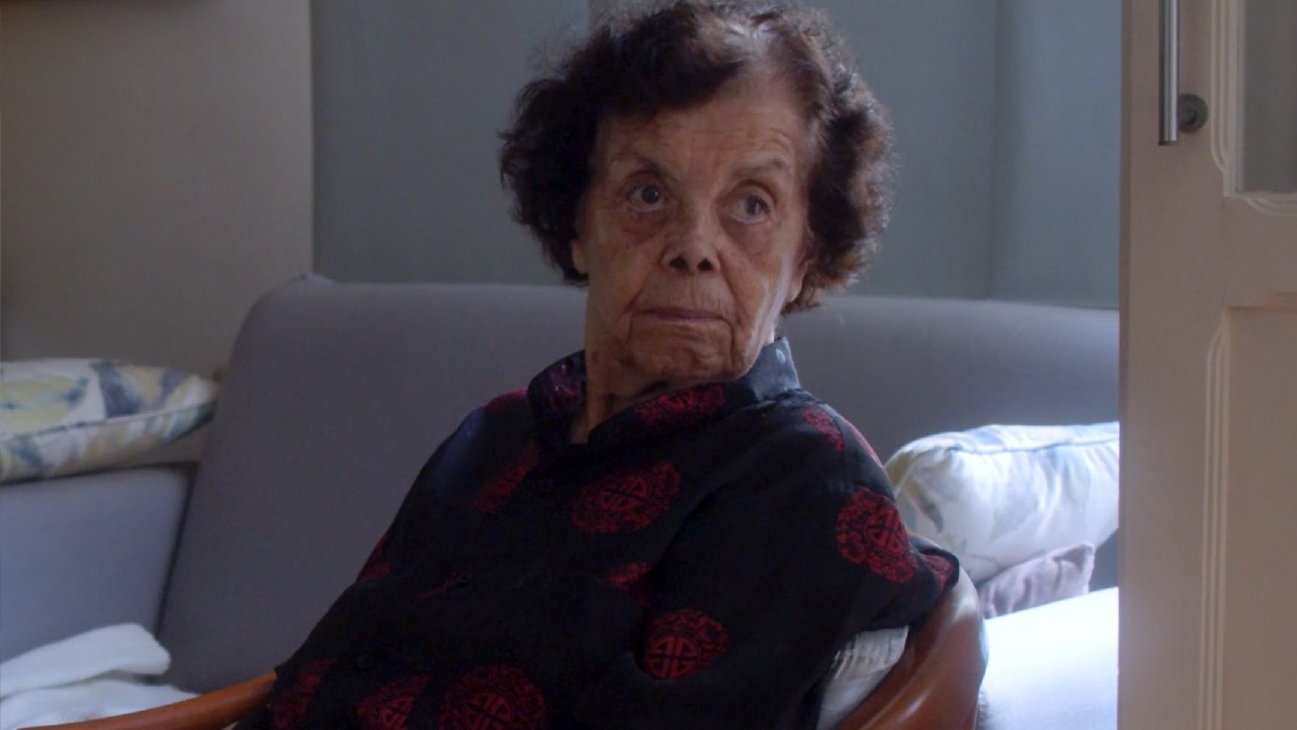
Synopsis: Marlene and Péricles have been married for 66 years. Amidst a house filled with memories and antique objects, Marlene reflects on what we choose to hold onto and what must be left behind.

The Café Will Remain Closed

Original title: Το Καφενείο θα Παραμείνει Κλειστό
Running time: 30 min
Year: 2025.
Country: Greece
Director: Magda Alexandri

Screening: Sunday 15 Nov 2026, Student category (17:00–18:15)

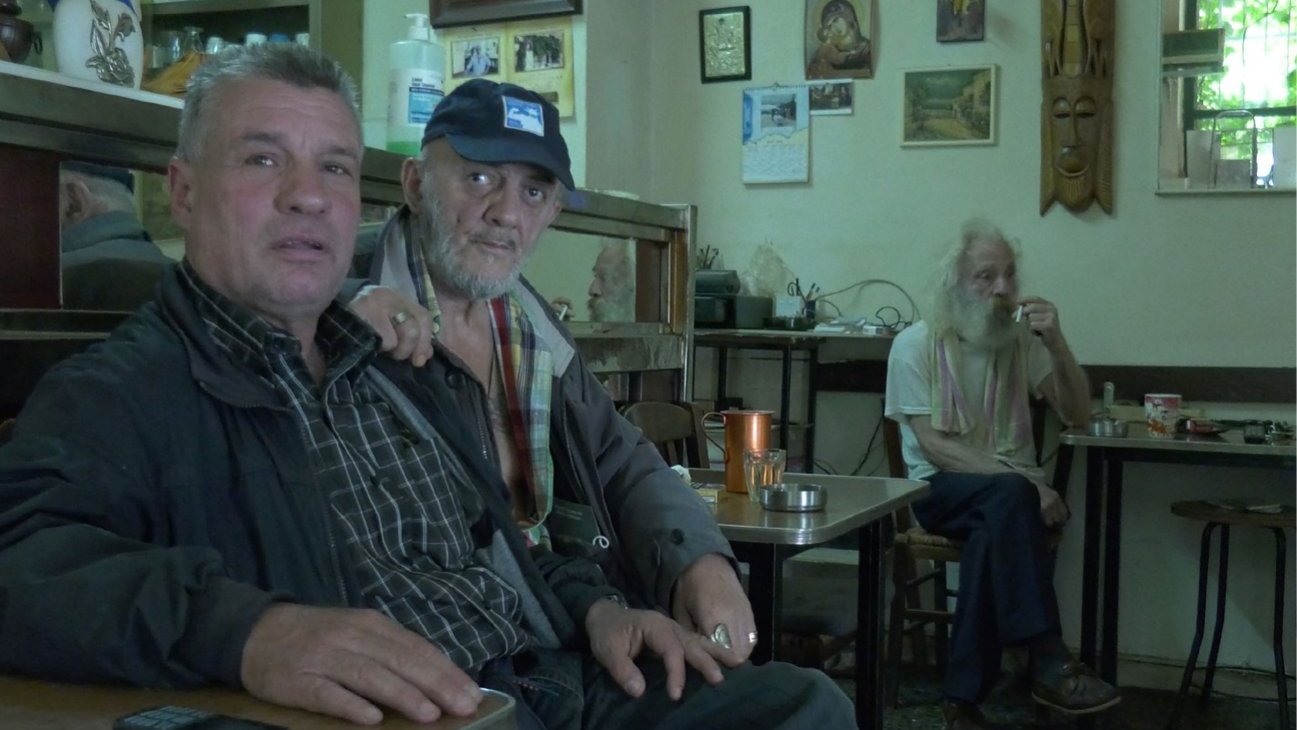
Synopsis: Angelos, an elderly café owner in the center of Athens, is at the crossroads trying to decide whether to close his café. The film observes Angelos’ daily life and his interactions with patrons, thus painting a vivid yet marginal Athenian microcosm.

Special programme

Special Programme #1: International School of Visual Anthropology – FIRE

(Belgrade & Požarevac, Serbia)

As part of the special program of the VIII edition of the Vizantrop Festival, we are pleased to present the results of the International School of Visual Anthropology, organized by Visual Anthropology Center – VAC.

The School offered an interdisciplinary, hands-on ethnographic filmmaking workshop in which participants, working in small groups and guided by mentors and professors, went through an intensive process of ethnographic filmmaking – from developing an idea and research methodology to fieldwork, filming, and post-production.

As part of VAC’s initiative to create engaged ethnographic films in collaboration with local communities, and following the positive feedback from the previous year’s participants, the workshop took place in Belgrade and Požarevac, bringing visual anthropology closer to local communities and encouraging meaningful encounters between local and international participants.

Drawing inspiration from the name of Požarevac, with požar meaning “fire” or “conflagration” in Serbian, the central theme of this year’s workshop was FIRE. As a fundamental element of transformation and community, fire invited participants to reflect on our relationship with the land and with one another, as well as on the shared human experiences that connect individuals and communities around the world. The theme encouraged them to explore the familiar in the foreign and the unfamiliar in the everyday, discovering new perspectives through ethnographic observation and filmmaking.

Structured around three main components: theory, fieldwork, and editing, the workshop brought together participants from diverse backgrounds, encouraging collaboration, creative experimentation, and new perspectives on local communities and everyday life.

We are inviting you to watch four short ethnographic films produced as the outcome of this workshop: four distinct perspectives shaped by fieldwork, collaboration, and the participants’ engagement with the people and places they encountered.

Friday, 13 November / 22:00–23:00 / Zastava je pala na nas

Special Programme #2: School of Media Culture and Cultural Criticism

(Pula, Croatia)

The first School of Media Culture and Cultural Criticism – ŠMEK presents four short ethnographic films developed during a nine-day educational programme dedicated to exploring the theme of labour in Pula, Croatia.

The school brought together university students, female secondary-school students, as well as former and current cultural and media workers. Through theoretical, methodological and practical training, participants explored ways of analysing visual media and producing short ethnographic films and social media reels using ethnographic methods.

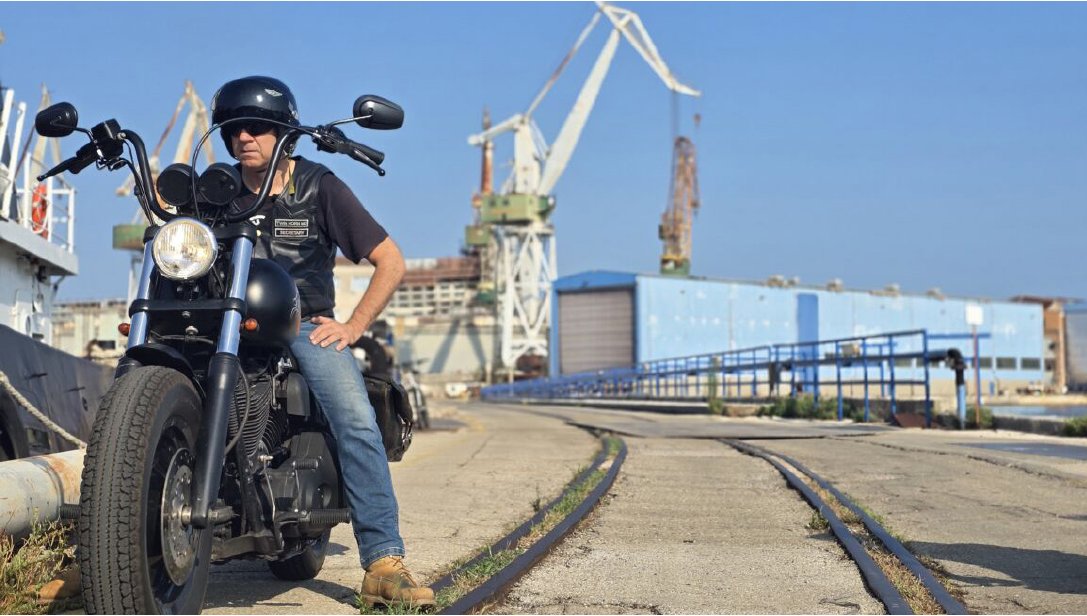
The programme approached labour through different experiences, memories and everyday practices in the city. The resulting films explore memories of the Uljanik Shipyard, passed on through the skills and experiences of members of a Twin Horn motorcycle club; the leisure activities and passion for basketball of Filipino workers; the everyday work of a family running an organic farm; and the baking trade, explored through the story of a legendary neighbourhood bakery.

By bringing together different generations, professions and perspectives, the school used ethnographic methods and audiovisual media to examine the ways in which labour shapes personal experiences, relationships and the social life of Pula.

Saturday, 14 November / 17:45–18:45 / Zastava je pala na nas

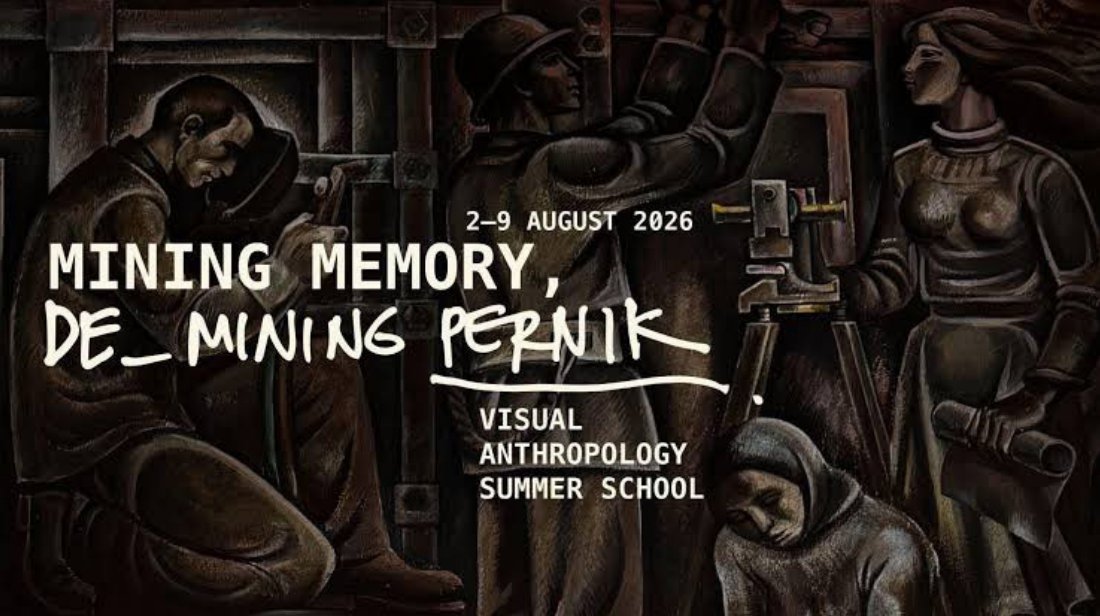
Special Programme #3: Mining Memory – De-mining Pernik

(Visual Research Center for Perception and Society (Sofia, Bulgaria))

Mining Memory – De-mining Pernik is a visual research and ethnographic filmmaking programme exploring the layered histories and contemporary realities of Pernik, Bulgaria, a city whose landscape and social fabric have been shaped by more than a century of coal mining, heavy industry and socialist industrialisation.

For generations, mines, factories and workers’ neighbourhoods defined the city’s identity and everyday life. Today, these industrial traces coexist with abandoned structures, changing working conditions, environmental concerns and new visions for the future. Rather than approaching Pernik solely through narratives of decline, nostalgia or urban decay, the programme seeks to uncover the experiences, relationships and memories that continue to give meaning to the city.

Combining visual anthropology, ethnographic film, photography, sound, archival research and collaborative fieldwork, the programme approaches Pernik as a living archive of labour, memory, solidarity and transformation. Its title describes a double movement: excavating memories embedded in the city’s industrial history while challenging the assumption that post-industrial communities are simply places left behind.

The project also raises questions about representation: whose experiences are remembered, how industrial histories are told, and what possibilities for renewal remain. The resulting four short films invite viewers to encounter Pernik beyond familiar stereotypes and to reflect on the complex relationships between industrial heritage, collective memory and the future of local communities.

Following the screening, audiences will have the opportunity to take part in a live conversation with members of the Visual Research Center from Sofia.

Sunday, 15 November / 18:30–19:30 / Zastava je pala na nas

Friends of the festival

We thank the friends of the festival for their support!

Festival catalogue

Winning film

The winner of the 8th Vizantrop Festival will be announced on Sunday, 15 November 2026 at 21:30, followed by a screening of the winning film.

The winning film and special mentions will be published here. 🏆